
From the turnstiles to the streets, scooters and football terrace culture have long shared the same language of movement, identity and quiet rebellion. What started on the streets and match days evolved into a look that still exists in British youth culture today. Stu Smith investigates…
Long before heritage became a marketing term, scooterboys were already living it. In the late 1970s and early ’80s, as Britain’s football terraces filled with fashions and trends, what people wore and what they rode mattered just as much as where they were going. Scooter culture and terrace fashion began to blend, overlap and grow up together.
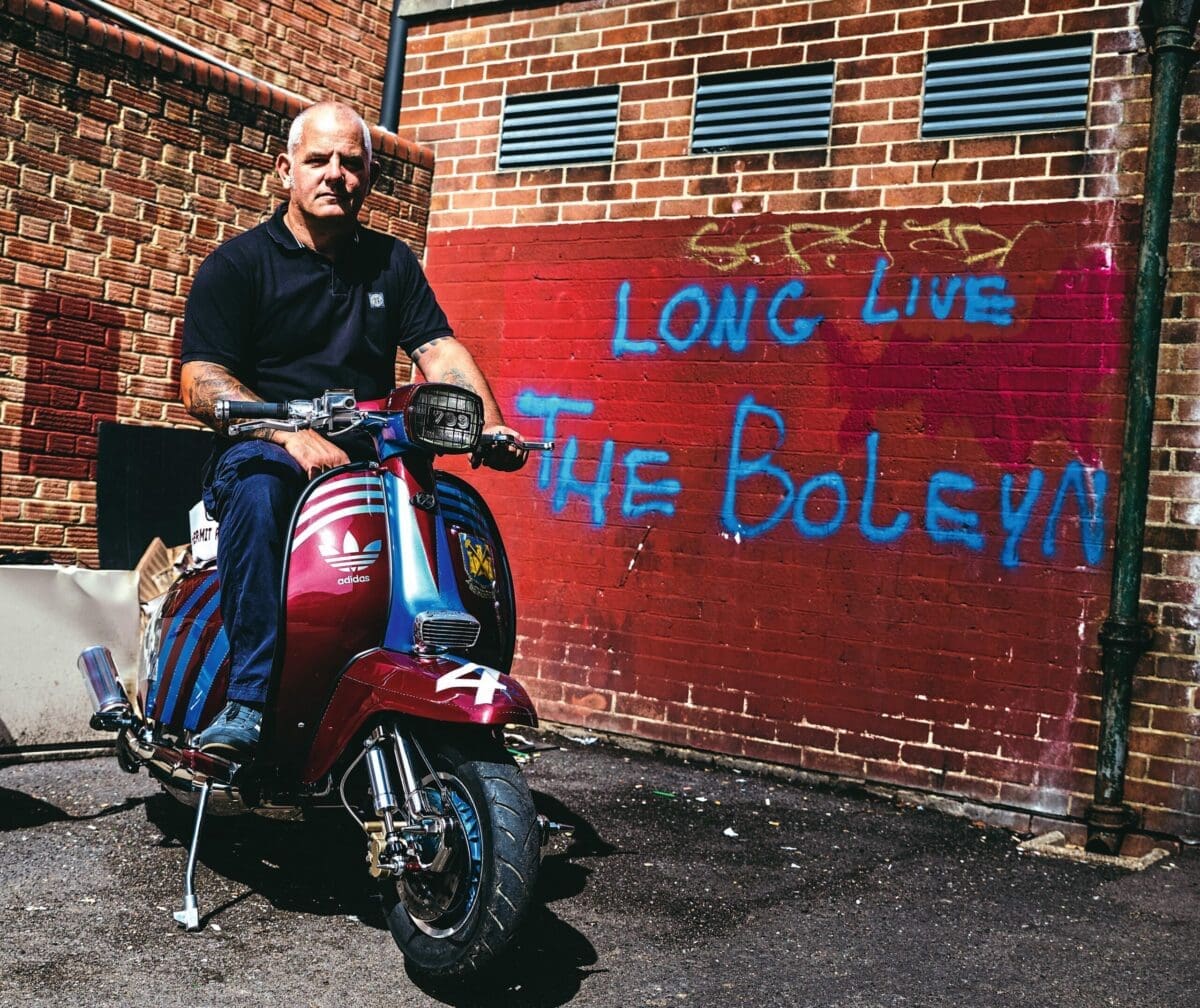
The rise of the casual movement transformed football style. British fans travelling across Europe discovered Italian and French sportswear unavailable back home. Brands such as Stone Island, C.P. Company, Sergio Tacchini and Fila offered something different: clean lines, technical fabrics and an understated confidence that stood apart from scooter club colours and rally patches. It was fashion without slogans, worn by those in the know.
Enjoy more Scootering Magazine reading every month.
Click here to subscribe & save.
Scooterboys were already tuned into European aesthetics through their machines. Scooters had always carried a continental flavour. Italian by design, sleek and purposeful, they spoke of mobility and modernity. Riding one was a statement: efficient, stylish and slightly subversive. Pair that with terrace gear designed for movement, weather and anonymity, and you had a combination built to last.


Both cultures were shaped by travel. Football fans crossed borders in search of matches; scooterists crossed counties for rallies, gigs, and all-nighters. Motorway service stations, backstreet cafés and pub car parks became shared spaces. Knowledge was currency. You didn’t need to shout; if you knew, you knew.


There was also an unspoken code of respect. Terrace fashion avoided mainstream trends, just as scooterboys resisted anything too obvious. A well-set-up scooter reflected a carefully chosen outfit: not flashy, but exact. The right clothing, the right footwear, and the right scooter all signalled belonging without explanation. It was style as communication. As the ’90s arrived and casual culture gained wider recognition, the appeal remained rooted in authenticity. Fashion statements weren’t picked from a shop window; they were choices shaped by experience.
Today, the connections remain visible. At rallies and ride-outs, terrace wear has a dominant presence, with old loyalties intact, while younger riders inherit the look not as nostalgia, but as living culture because it’s honest, practical, sharp, and grounded in real movement. Scooters and terrace culture are about independence, identity, and understanding the value of understated excellence. Whether you’re riding through the streets or standing on the terraces, the message remains the same: style is earned.
Words: Stu Smith
Photos: Gary Chapman

