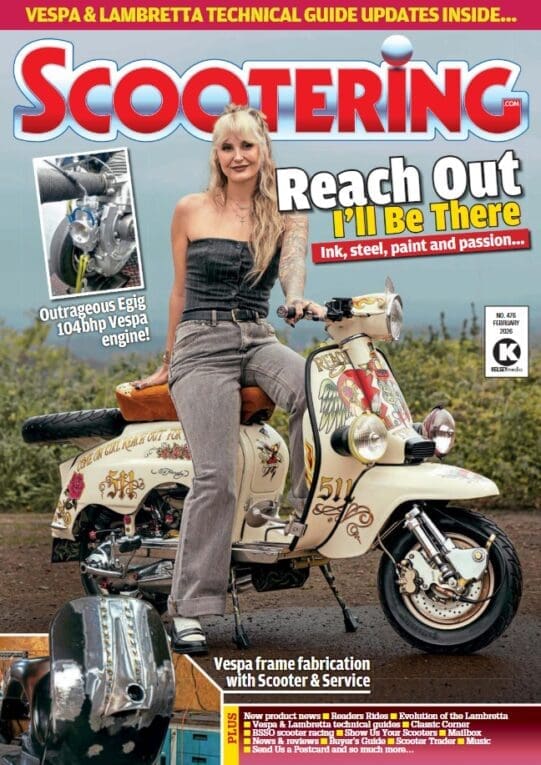
Breaking into scooter ownership can be challenging for riders of shorter stature, but height alone isn’t the deciding factor. According to Scootering magazine’s May 2025 “The Knowledge” feature, the real issue is inside leg measurement, combined with scooter design, weight and ergonomics.
Modern scooters have grown steadily larger over the years, often leaving shorter riders struggling to get both feet firmly on the ground. While many people assume seat height is the primary concern, it is only one part of a more complex equation.
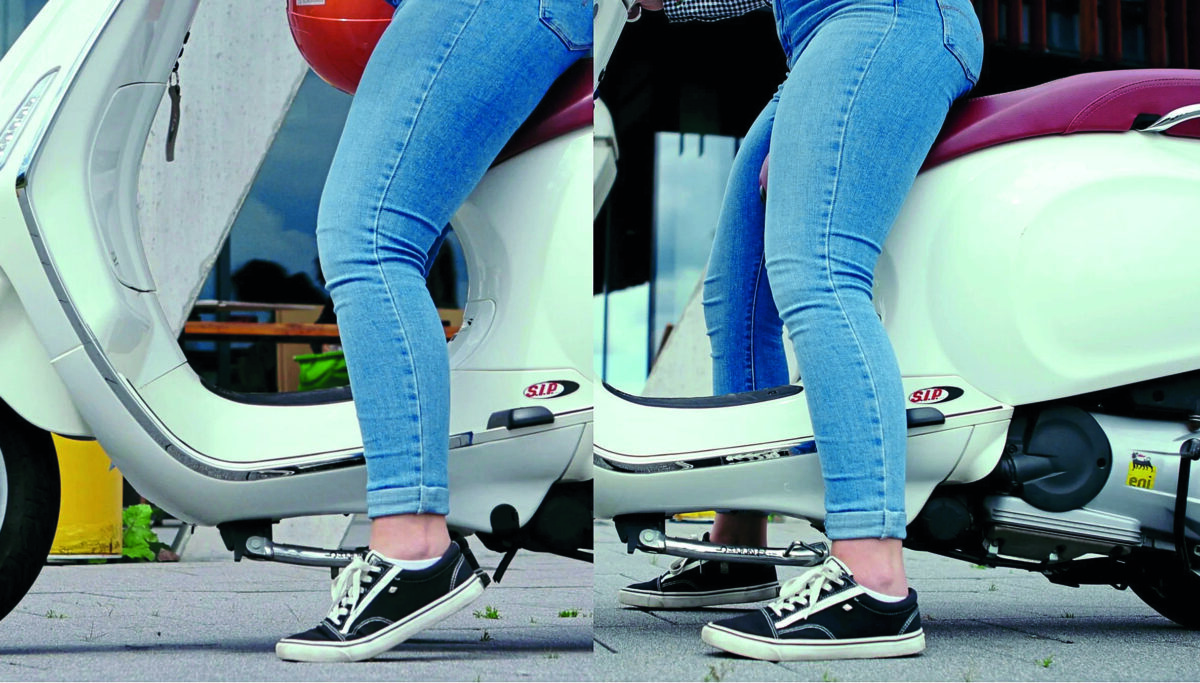
Scooters differ fundamentally from motorcycles because riders must straddle a floorboard as well as the seat. This means that lowering a seat does not always improve reach; in some cases, it actually increases the splay angle of the legs, making stability worse rather than better.
Enjoy more Scootering Magazine reading every month.
Click here to subscribe & save.
Most scooters are designed around an “average” rider build, meaning those outside that range — whether shorter or taller — often need to customise or compromise. For example, a modern Vespa Primavera and a Vespa GTS both share a seat height of 790mm, despite the GTS being significantly heavier and harder to manage when stationary.

Some exceptions exist. Models such as the Modena or Milano feature a notably lower seat height of around 735mm, while certain Royal Alloy scooters have addressed the issue by revising bodywork and frames. The Royal Alloy GT125MT, for instance, uses slimmer side panels and a redesigned frame to reduce seat height by around 30mm compared with the SE version.
Classic scooters often offer better solutions for shorter riders. Series 3 and GP Lambrettas, along with Vespa smallframes like the PK and 50 Special, benefit from narrow bodywork and a wide choice of seats, making them easier to straddle and control. Alternatives such as the Vega, which has minimal floorboard height, also provide greater accessibility without sacrificing performance.
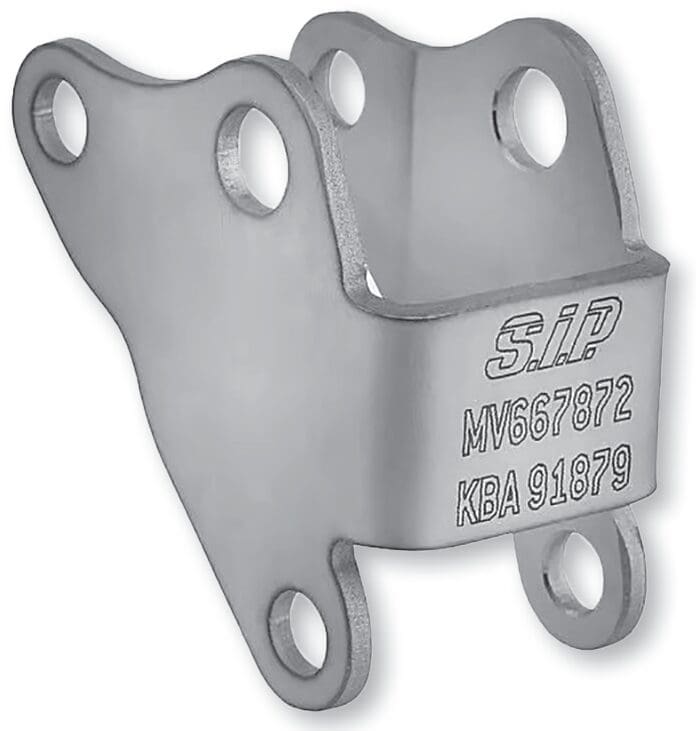
Where seat changes alone aren’t enough, lowering the suspension height can be more effective. Reducing suspension height by as little as 20mm can significantly improve footing while maintaining the intended relationship between seat and floorboard — preserving handling and rider confidence.
Ultimately, the key to choosing the right scooter as a shorter rider is understanding how seat height, body width, floorboard design, and suspension all interact. With the right model — or the right modifications — shorter riders can enjoy safe, comfortable scooter ownership without compromise.