While reading the February 2025 issue of Scootering, Ray Burt came across the article Tell us what you’re thinking and noted readers’ calls for more coverage of the original Mod era. What follows is Ray’s personal account of being part of the first generation of Mods during the mid-1960s — a time when scooters, music and style collided to create something entirely new.
Like many readers, Ray admits to flicking through Scootering to see whether the content connects with his own experiences of the Mod period. While modern Vespa and Lambretta conversions catch his eye, it’s stories from the early days — when scooters were new and the scene was just forming — that resonate most.
Back to 1964
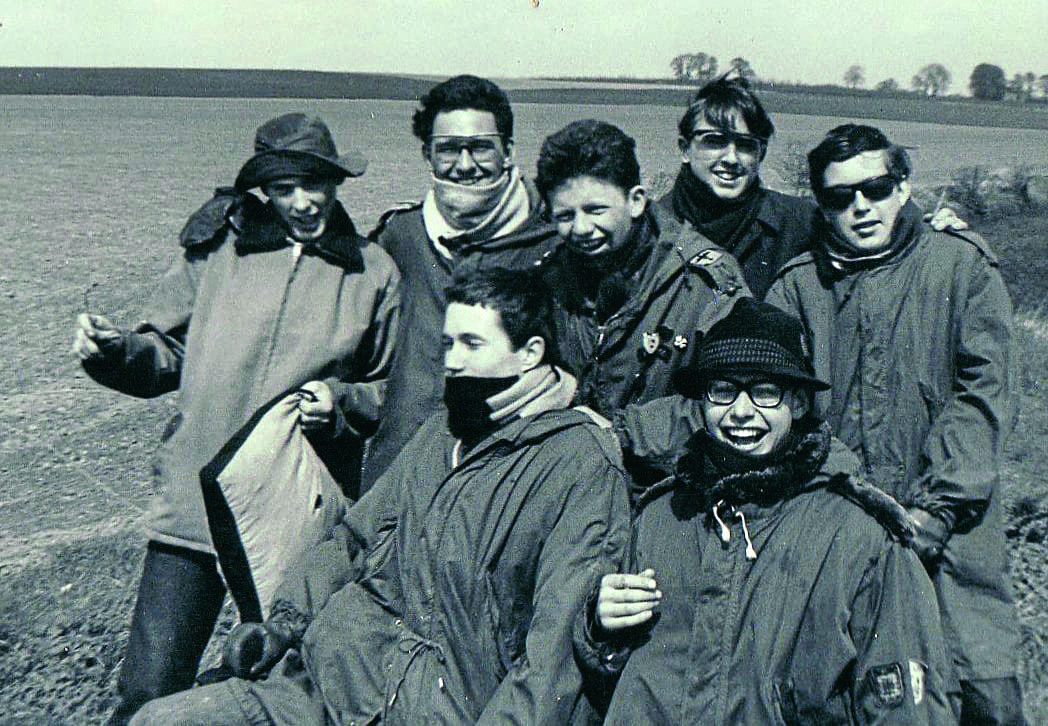
Ray’s journey began in the summer of 1964, when his best friend Albie Mote arrived at his door with a brand-new 175cc slim-style Lambretta in blue and white. Inspired (and admittedly envious), Ray soon began saving for a scooter of his own. Although Lambrettas were popular, Ray was drawn to the rotary-valve engine and distinctive engine “blisters” of a Vespa, as well as the unmistakable purr of its two-stroke motor.
Enjoy more Scootering Magazine reading every month.
Click here to subscribe & save.
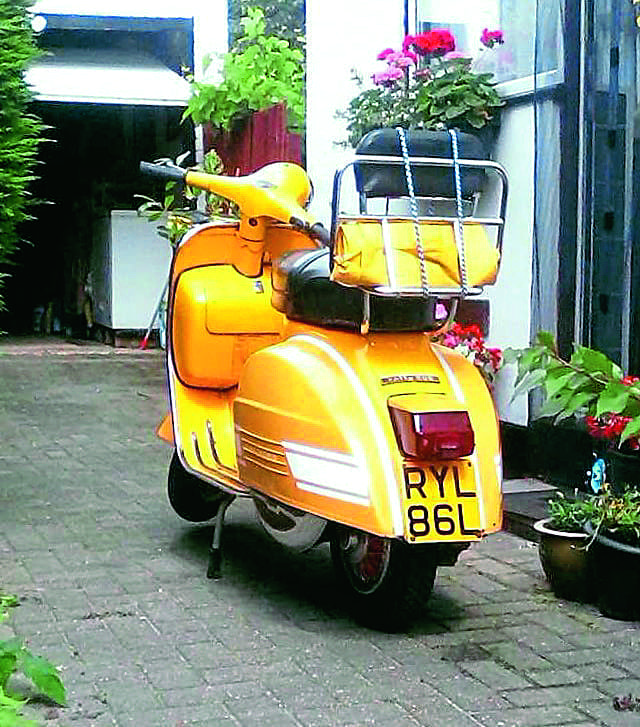
By June 1964, Ray had his dream machine: a Vespa Sportique 150cc De Luxe. While the coveted GS160 was beyond his budget, the Sportique proved reliable and full of character. Registered BGT 54B, it never let him down — and Ray often wonders if it still survives today.

Enter the Mod scene
Living in Hammersmith, London, Ray and Albie quickly became immersed in the emerging Mod scene. Local venues such as the Goldhawk Social Club on Goldhawk Road and the Hammersmith Palais de Dance became regular haunts. At the Goldhawk, they watched a local band called The Who — then known as The Detours — before they rose to national fame.
Over the following months, the pair saw many of the era’s biggest acts, often packed shoulder-to-shoulder in small venues filled with noise, energy and excitement. Outside, rows of scooters lined the streets, left untouched — a scene almost unimaginable today.
Monday nights at the Hammersmith Palais were Mod nights, with sharply dressed crowds in tonic mohair suits and polished Chelsea boots. A highlight was Joe Loss and his Orchestra playing March of the Mods, prompting dancers to march in time — until management eventually put a stop to it after damage to the wooden dancefloor.
Scooters, stereotypes and reality
Looking back, Ray reflects on how the Mod scene was later portrayed in the media and in films such as Quadrophenia. While he enjoyed the film, he notes its inaccuracies — from an over-representation of Lambrettas to technical impossibilities like riding at speed while stuck in second gear.
Similarly, the widely reported clashes between Mods and Rockers were, in Ray’s view, exaggerated. Apart from isolated incidents such as Brighton, most encounters amounted to little more than exchanged glances and posturing.

Ride-outs and real memories
For Ray, the true heart of the scene lay in the ride-outs. Arriving en masse at seaside towns amid clouds of two-stroke smoke, gleaming chrome, sports exhausts and banter was unforgettable. Parking hundreds of scooters along the seafront was often tight, and accessories sometimes went missing — only to be “recovered” later from another machine in a strangely accepted ritual of the time.
As the decade progressed, the original Mod era faded. By 1967, flower power and changing social attitudes took over, and scooters temporarily disappeared from the spotlight. Later revivals would follow, each interpreted differently by new generations.

Ray himself went on to own a Vespa SS180 and later a Vespa Rally 200 Electronic, which he still owns more than 50 years later — a testament to the durability and charm of classic Italian scooters.
Looking back, Ray considers himself fortunate to have lived through the birth of the Mod scene. Though sightings of early scooters are rarer today, the spirit lives on through rallies, clubs and enthusiasts. His hope is that the scooter scene — in all its forms — continues to thrive for generations to come.
The original article, written by Ray Burt, appeared in Scootering Magazine. Photos from Ray Burt. To subscribe please visit https://www.classicmagazines.co.uk/scootering